Unlabeled Skull Diagram
Image 1
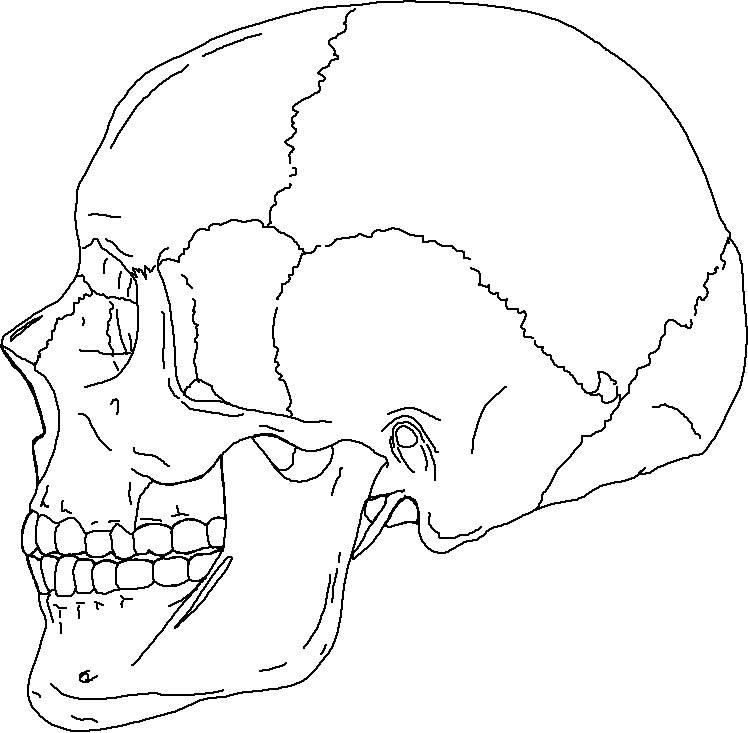 Human anatomy is a fascinating subject that has captivated the human mind for centuries. The intricacies of the human body, especially when it comes to the skeletal system, are nothing short of remarkable. One particularly interesting area of study is the structure of the human skull. The skull is not only essential for protection, but it also plays a crucial role in defining our unique facial features.
Image 2
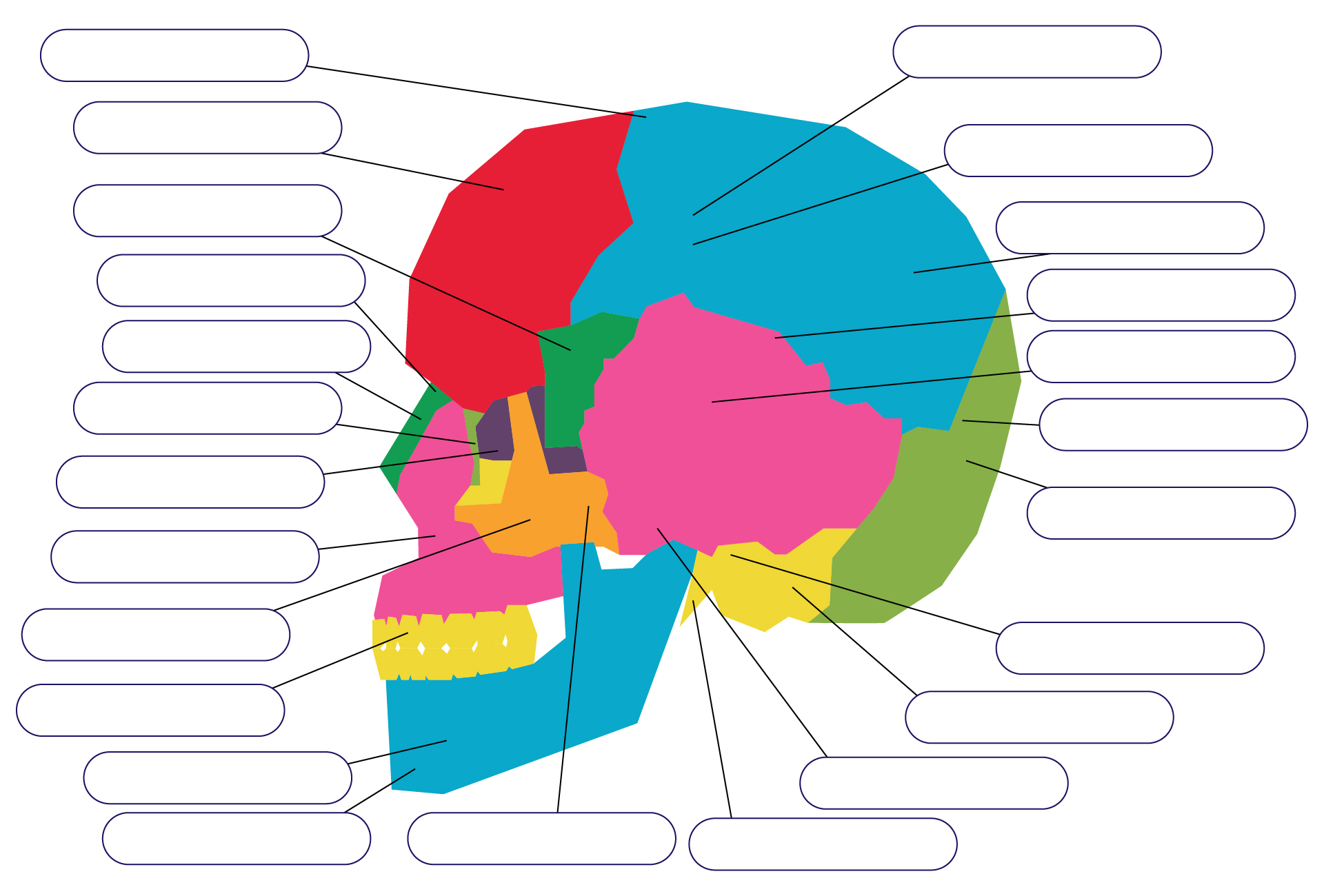
 In this image, we see an unlabeled diagram of the human skull. The intricate details and the complexity of the bones can be overwhelming at first glance. However, with a bit of study and guidance, it becomes easier to understand the different components of the skull.
Image 3
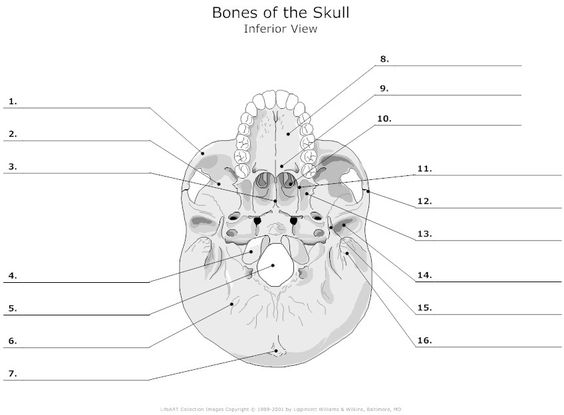 One of the first things you may notice in this diagram is the distinctive shape of the skull. The human skull is made up of several bones that are fused together, forming a protective structure for the brain. These bones include the frontal bone, parietal bone, temporal bone, occipital bone, sphenoid bone, and ethmoid bone.
Image 4

Image 5
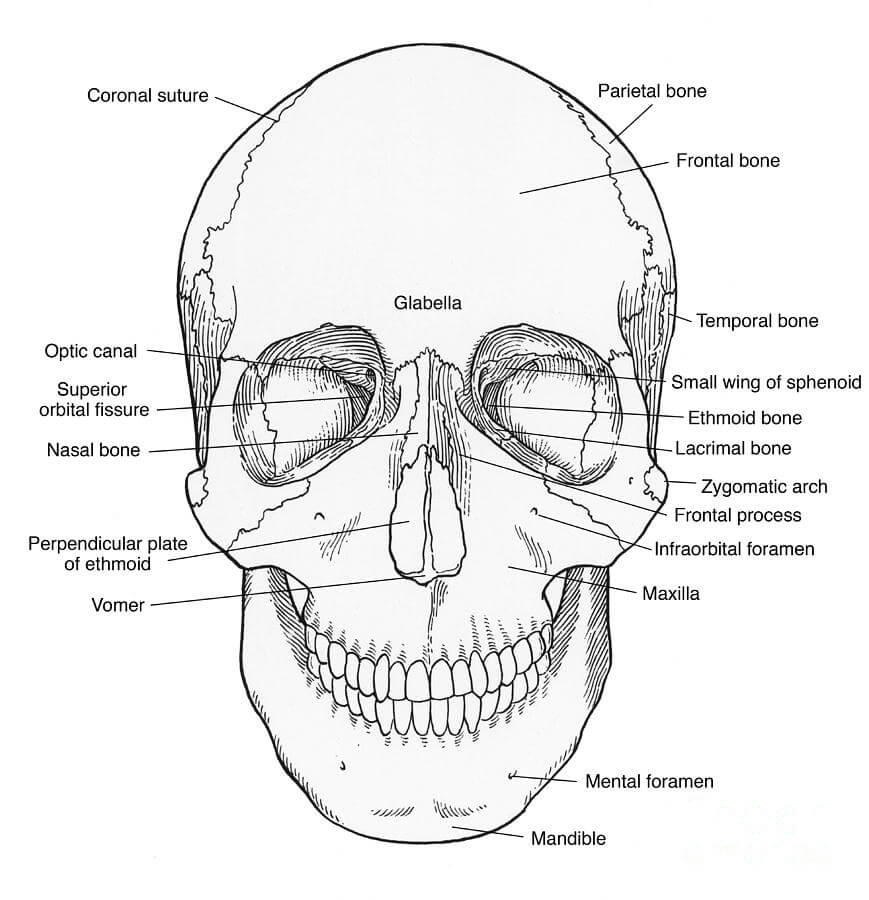 Understanding the different bones of the skull is essential not only for medical professionals but also for individuals who are interested in understanding their own bodies. By learning about the structure of the skull, we can gain insights into how it functions and how it influences other parts of the body.
Image 6
 If you are interested in studying the bones of the skull, there are various resources available to help you. One such resource is a label skull bones worksheet. This worksheet allows you to practice identifying and labeling the different bones of the skull, which can greatly enhance your understanding of its structure.
Image 7
 In addition to worksheets, there are also printable blank skull diagrams available. These diagrams allow you to test your knowledge by filling in the labels for each bone. It is a hands-on and interactive way to learn and remember the various parts of the skull.
Image 8
 Studying the anatomy of the skull is not just limited to medical or scientific purposes. It can also be beneficial for individuals who have an interest in art or forensic sciences. Understanding the structure of the skull can help artists accurately depict facial features, and forensic professionals can use their knowledge to analyze and interpret cranial remains.
Image 9
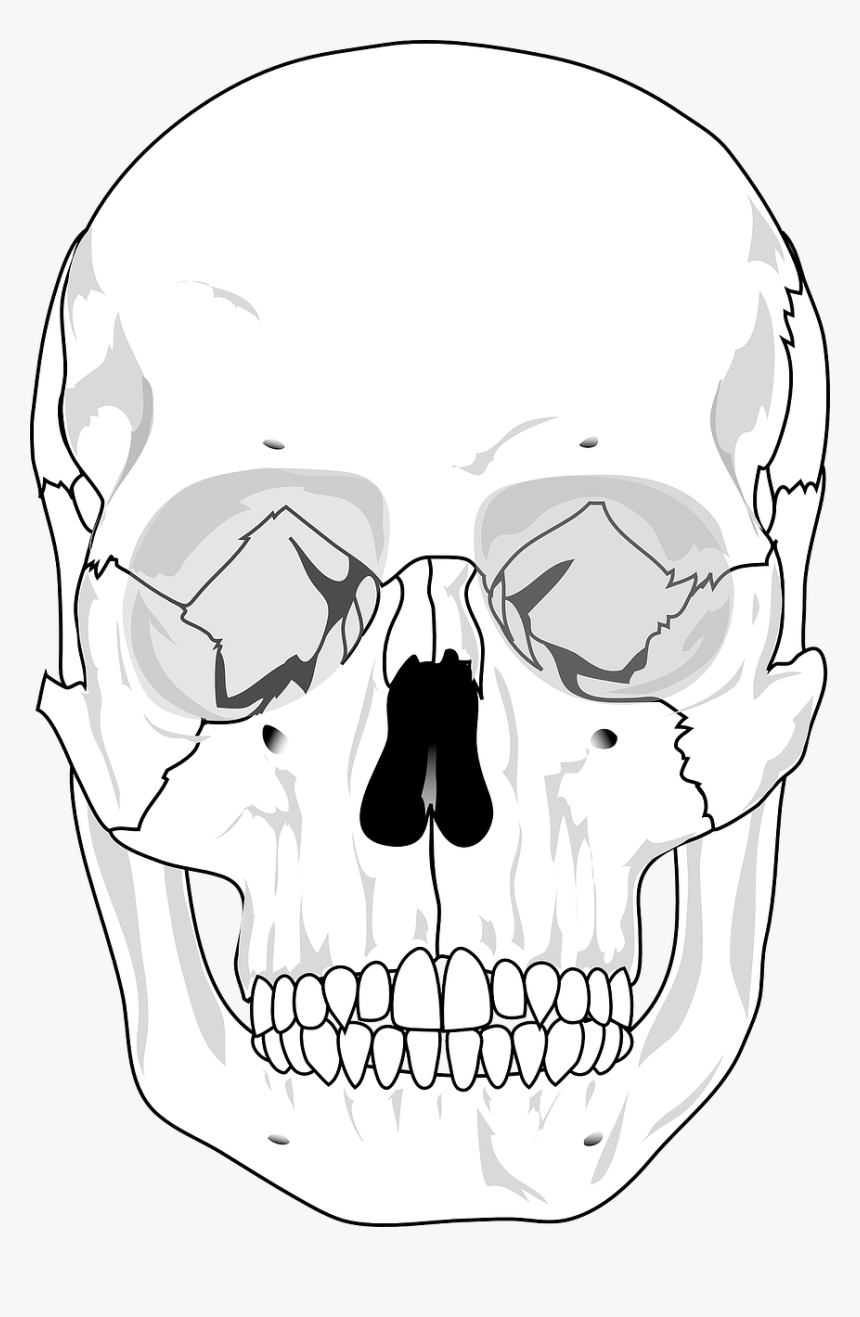 The human skull is an intricate marvel of nature. Its complexity and interconnectivity make it a subject of continuous exploration and study. Whether you are a medical professional, an artist, or simply someone curious about the human body, delving into the fascinating world of the skull can be an enlightening and enriching experience.
Image 10
 In summary, the study of the human skull is a captivating endeavor that allows us to appreciate the intricacies and unique features of our own anatomy. From the frontal bone to the occipital bone, each structure serves a purpose and contributes to our overall well-being. Whether you choose to explore the skull from a medical, artistic, or educational perspective, there are numerous resources available to help you on your journey of discovery.
